DPNet Nepal Marks 30th Anniversary, Calls for Stronger Partnership, Knowledge Sharing and Resilience
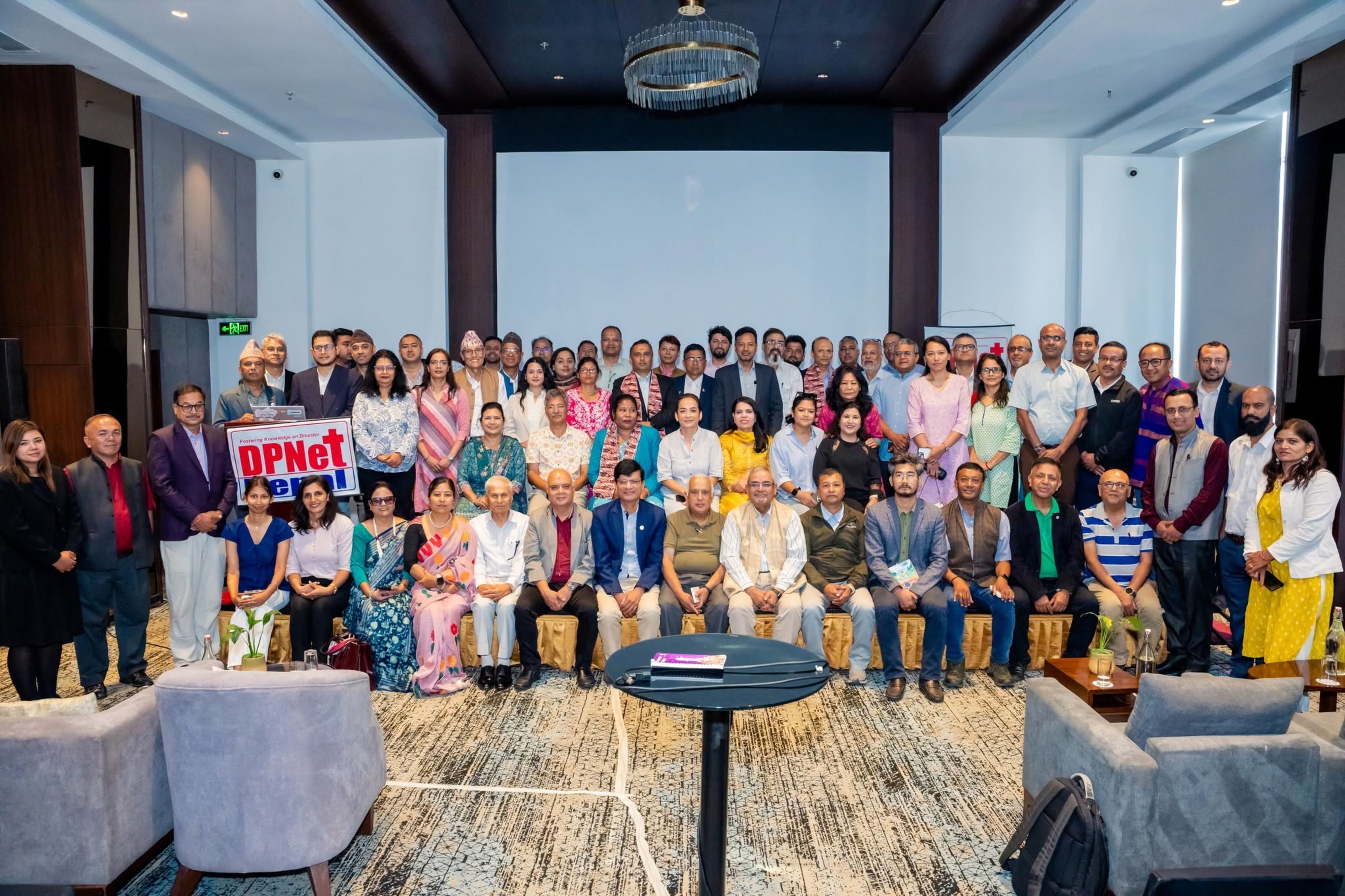
8th June, 2026, Kathmandu: The Disaster Preparedness Network Nepal (DPNet Nepal) marked its 30th anniversary by organizing a special programme under the theme “Three Decades of Partnership, Knowledge and Resilience for a Safer Nepal.”
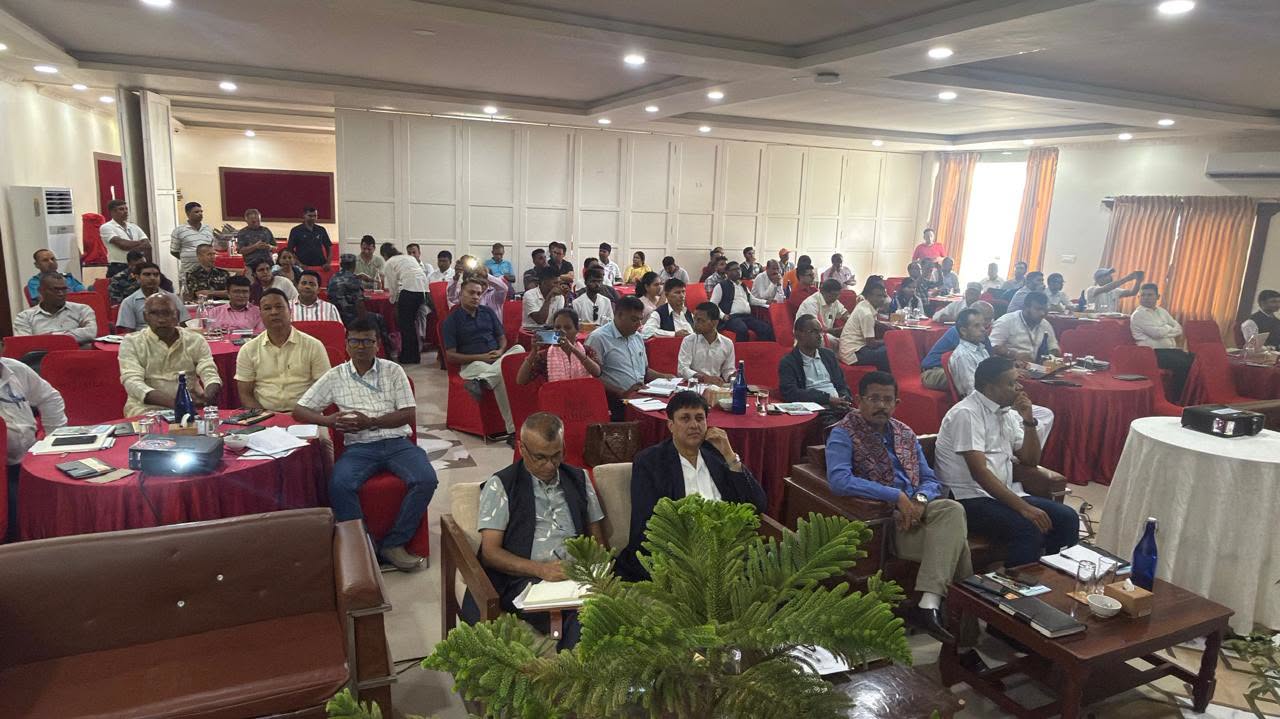
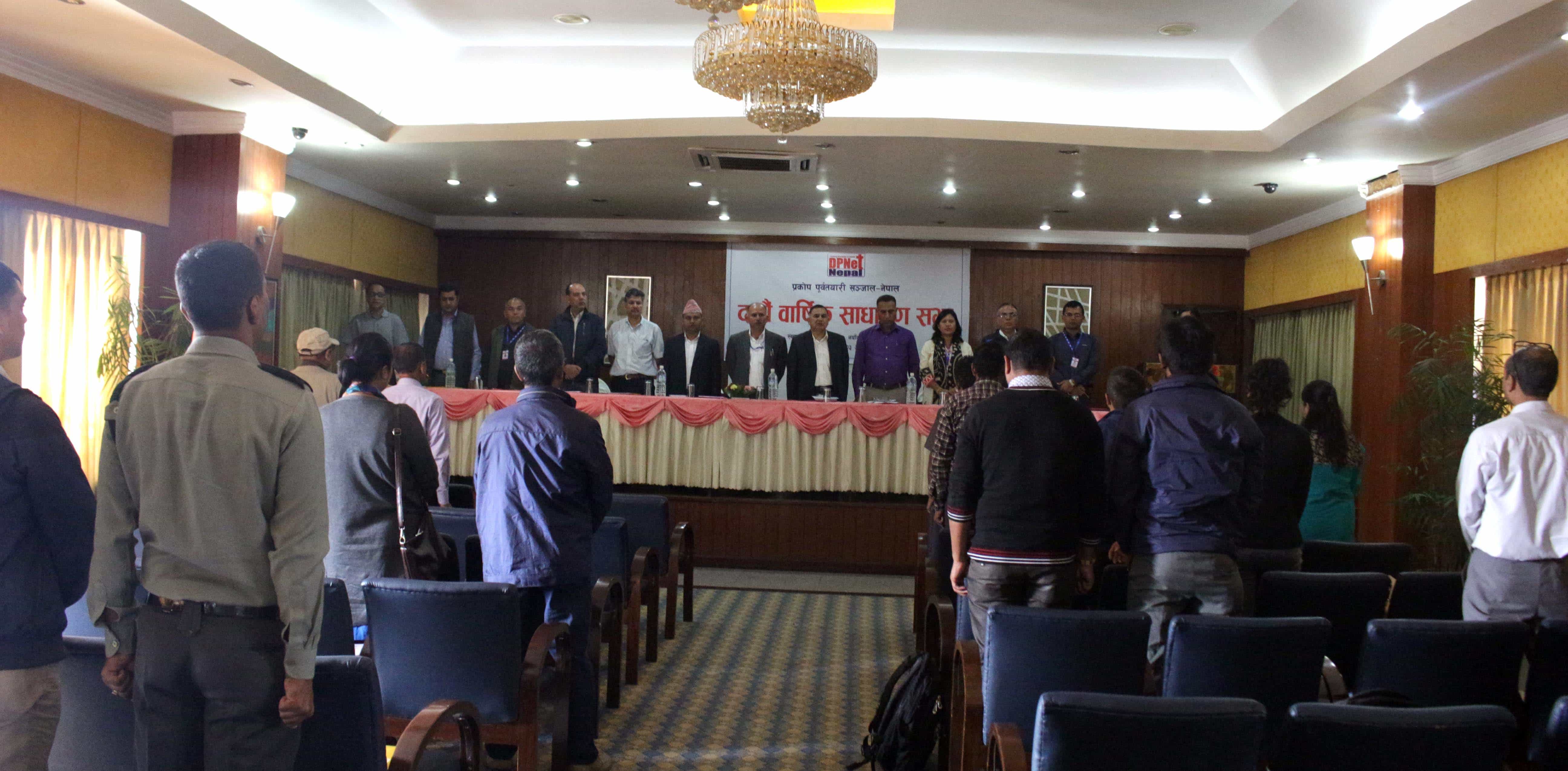
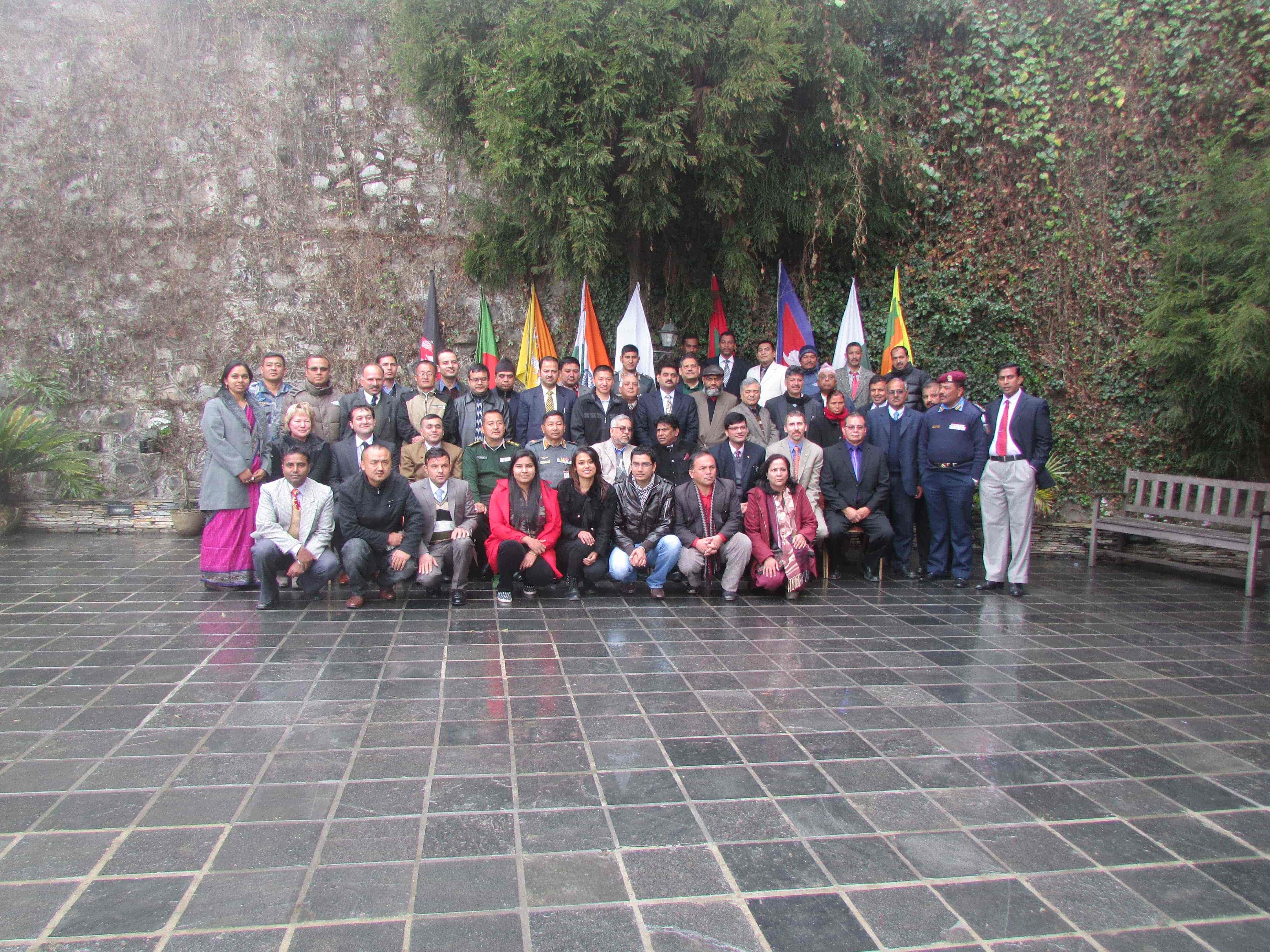
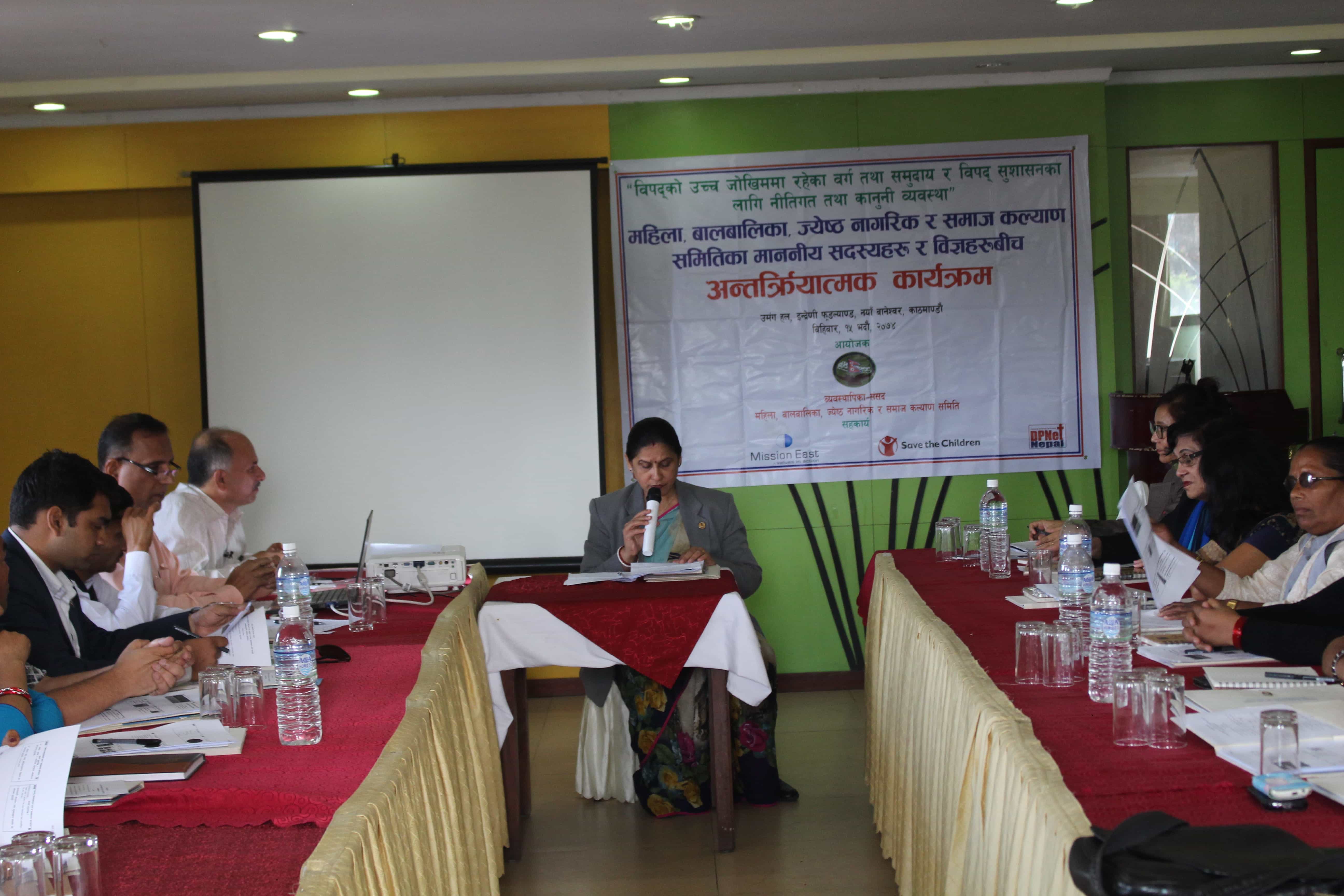
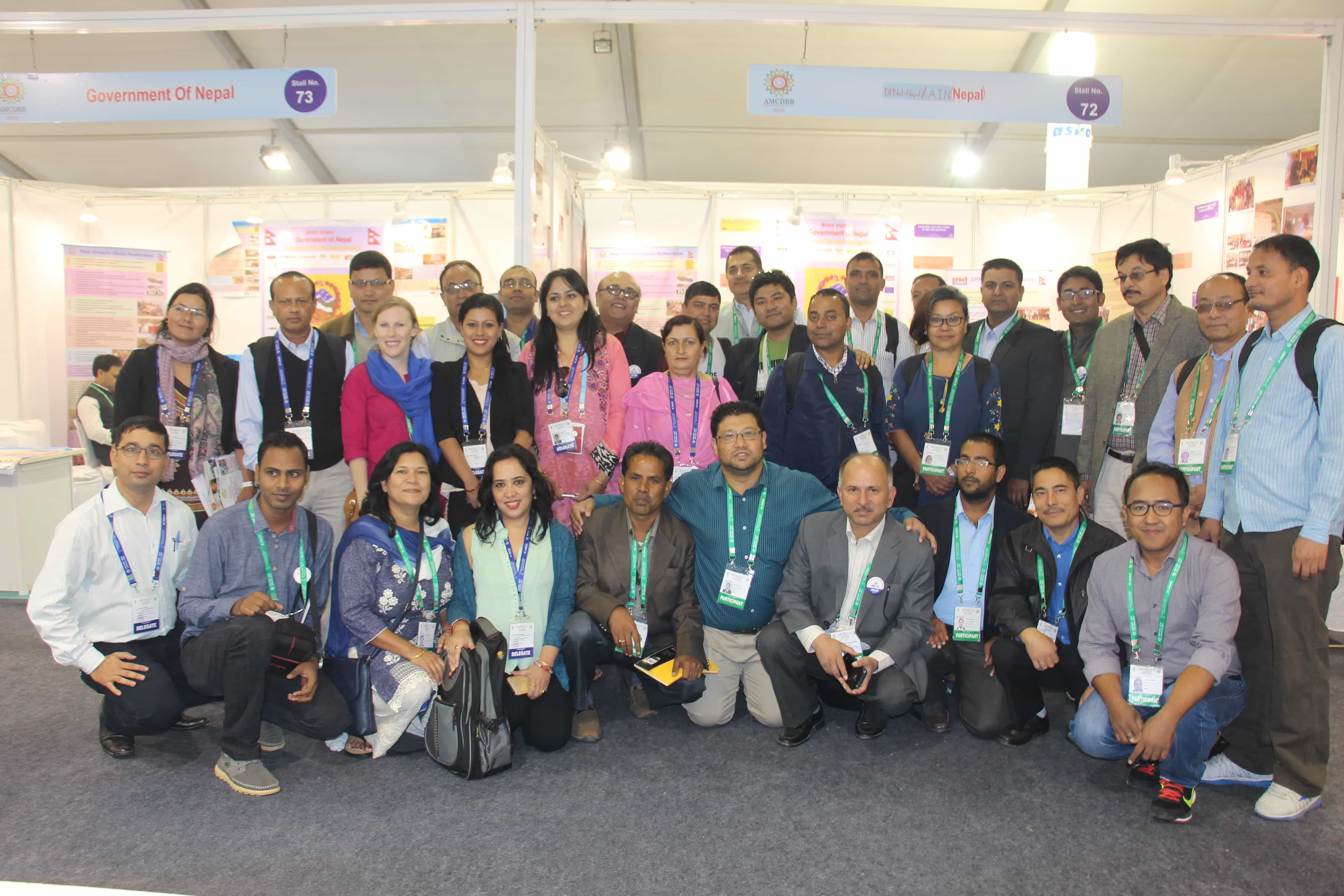
The programme brought together government representatives, development partners, civil society organizations, DRR practitioners, technical experts, media representatives and DPNet member organizations to reflect on DPNet’s three-decade journey and discuss the way forward for disaster risk reduction, climate resilience and community-based preparedness in Nepal.
During the opening session, Suraj Gautam, General Secretary of DPNet Nepal, highlighted DPNet’s major achievements over the past 30 years. He also shared a video showcasing DPNet’s journey, milestones and contributions to disaster risk reduction in Nepal, along with a series of activities conducted as part of the 30th anniversary celebration.
Remarks on behalf of DPNet member organizations were delivered by Dr. Samjhana Bista, who congratulated DPNet Nepal and highlighted the continued relevance of DPNet as a common platform for civil society, government, development partners and communities. She emphasized the need to further strengthen DPNet’s role in coordination, advocacy, knowledge management and collective action in Nepal’s changing disaster and climate risk context.
Dr. Raju Thapa, Immediate Past Chairperson of DPNet Nepal, congratulated the new committee and highlighted that the current leadership is focusing on evidence-based decision-making and organizing programmes that connect science with communities. He emphasized that DPNet’s strength lies in bringing together knowledge, practice and grassroots experiences to support better disaster risk reduction policies and actions.
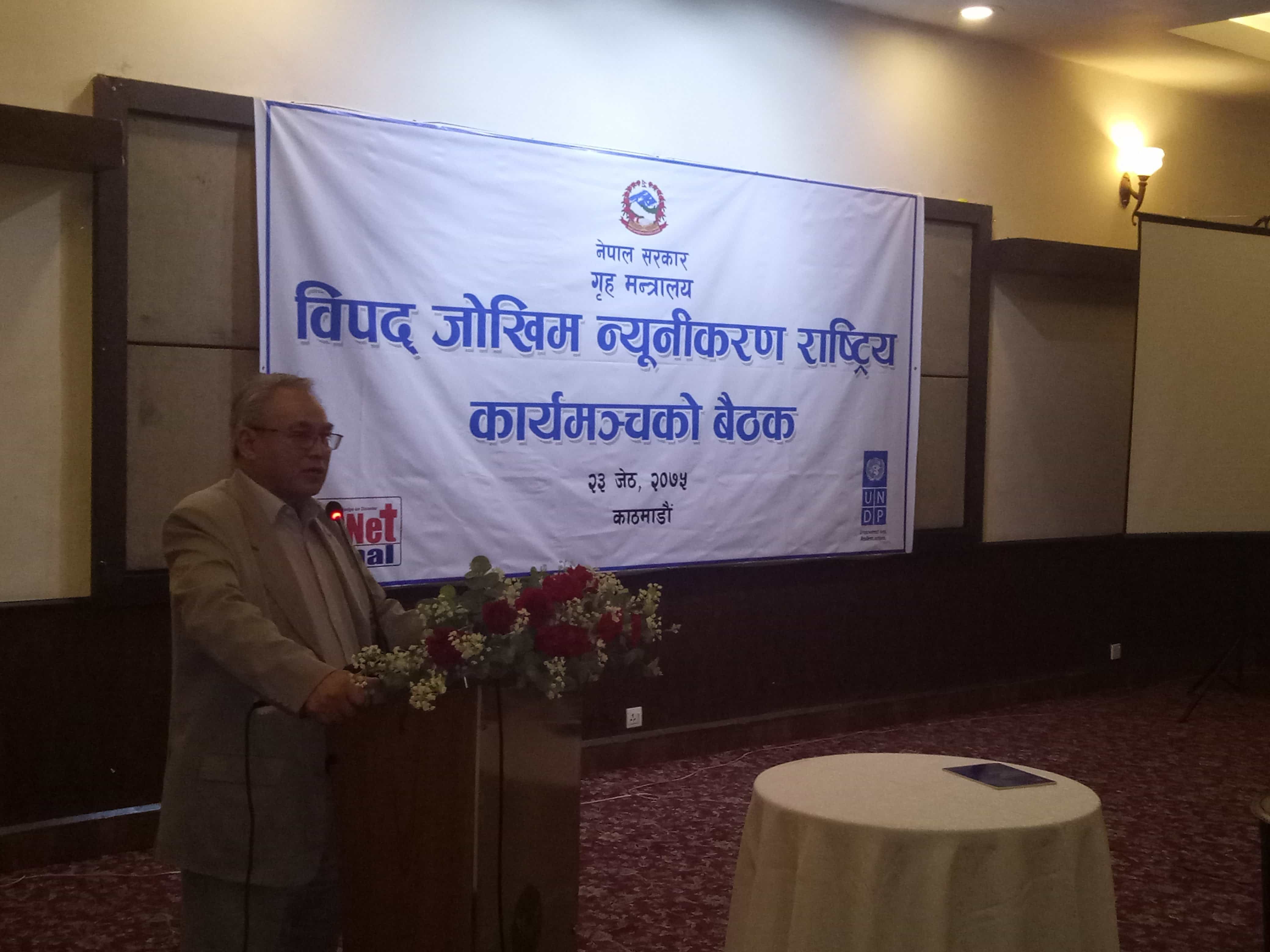
Addressing the opening session, Prof. Dr. Sanjaya Acharya, Member of the National Planning Commission, said disaster management should begin with awareness at the individual and household levels and be linked with community and institutional mechanisms. He stressed the need to build on the experience of the past 30 years to make disaster preparedness, governance and risk management more effective. Referring to the growing impacts of climate change, particularly in the Himalayan region, he called for stronger international engagement on climate justice, adaptation and climate finance.
Mr. Pradeep Koirala, Chief Executive of the National Disaster Risk Reduction and Management Authority (NDRRMA), congratulated DPNet Nepal for its outstanding 30-year contribution to Nepal’s disaster risk reduction sector. He noted that DPNet has played an important role in shaping the DRR discourse in Nepal and that its role is becoming increasingly important in the present risk landscape. He highlighted the whole-of-society approach, DPNet’s role as the secretariat of the National Platform for Disaster Risk Reduction, and the need for stronger disaster risk reduction, climate resilience, effective early warning systems, community-centred preparedness and multi-stakeholder collaboration to build a safer and more resilient Nepal.
Dr. SP Kalaune, Chairperson of the Association of International NGOs in Nepal (AIN), said DPNet Nepal has contributed significantly to shifting disaster management from a largely reactive approach to a more preparedness-oriented framework. He noted that disaster management is becoming more complex due to climate change, rapid urbanization and environmental risks, making networks like DPNet even more relevant.
Speaking at the programme, Dr. Basanta Raj Adhikari, Chairperson of DPNet Nepal, said disaster risk reduction and management is not the responsibility of a single institution or government body, but a shared responsibility of all stakeholders. He emphasized the use of science, technology and innovation, including artificial intelligence, machine learning and big data, to strengthen risk management. He also expressed DPNet’s commitment to institutionalizing the lessons learned over the past 30 years and taking them to communities.
The welcome remarks were delivered by Keshav Datta Bhatta, Vice Chairperson of DPNet Nepal, while the programme was facilitated by Suraj Gautam, General Secretary of DPNet Nepal.
In the technical session, Sudarshan Humagain, Meteorologist at the Department of Hydrology and Meteorology, delivered a presentation on monsoon and heatwave risks. He shared that most parts of the country are likely to receive below-normal rainfall this year and highlighted the increasing risk of heatwaves. He also informed participants that the Department has been disseminating regular information through green, yellow, orange and red warning systems.
Similarly, lightning expert Er. Sanjog Khanal stated that Nepal records one of the highest lightning-related human casualties in South Asia. He urged people to follow the “30–30 rule” for lightning safety and emphasized that early warning, community preparedness and public awareness can reduce lightning-related losses.
Dinesh Thapa from Changunarayan Municipality also made a presentation on urban resilience and the use of the City Scorecard.
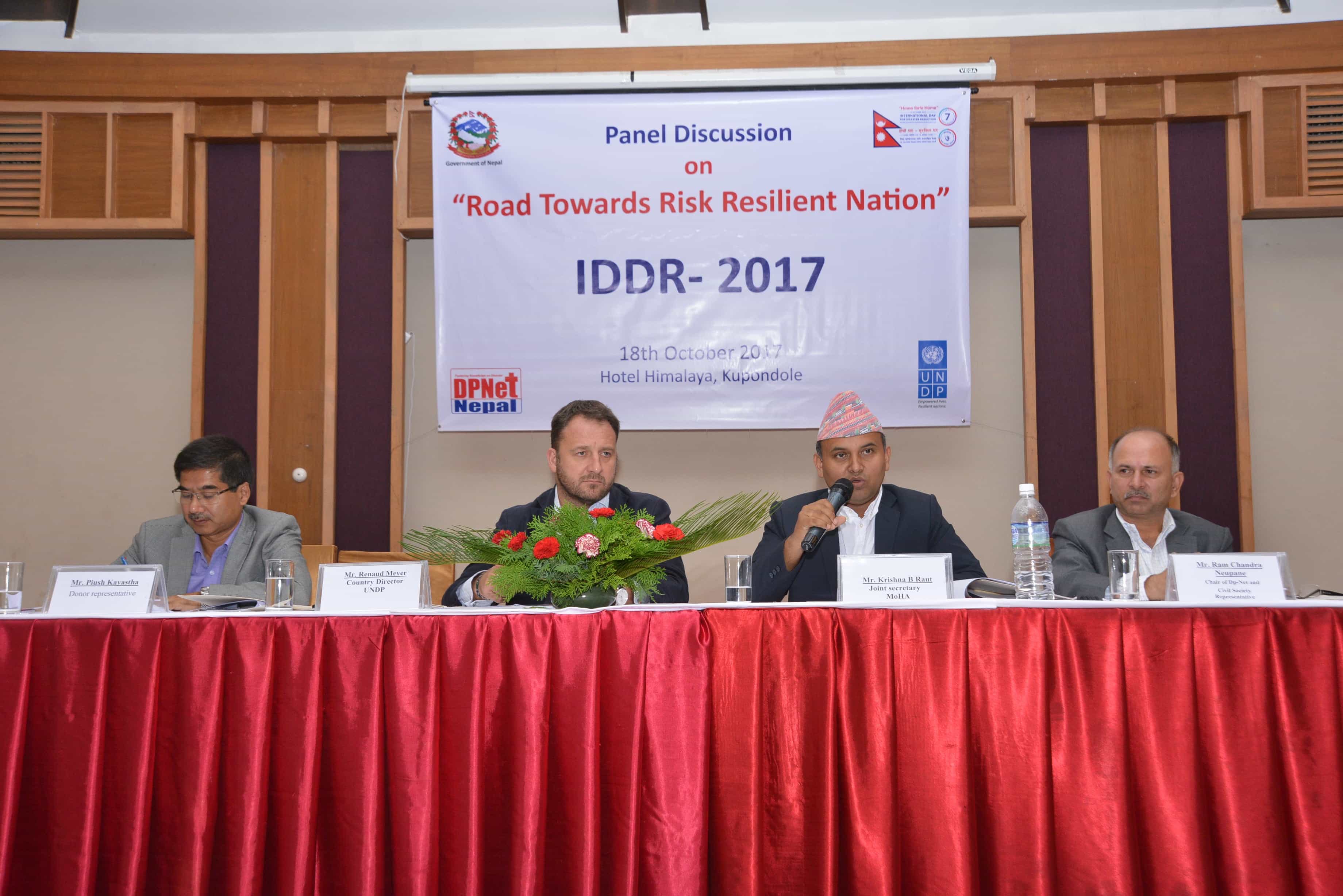
A panel discussion was held on “Strengthening Disaster Preparedness and Climate Resilience in Nepal: Operationalizing the Whole-of-Society Approach.” The panel featured Dr. Dharma Raj Uprety, Asia Lead at Practical Action; Julie Gurung, Director of Programme Quality and Innovation at Plan International Nepal; Ram Kumari Rana from the Kanchanpur District Coordination Committee; and Devi Sapkota, Secretary of the Disaster Journalism Network.
In the closing session, DPNet Nepal Chairperson Dr. Basanta Raj Adhikari extended a vote of thanks and reaffirmed DPNet’s commitment to strengthening partnership, knowledge sharing and community-centred action for building a safer, more resilient and disaster-prepared Nepal.
Participants expressed a shared commitment to further strengthen collaboration among government agencies, civil society organizations, development partners, technical institutions, communities and the media to advance disaster risk reduction and climate resilience in Nepal.