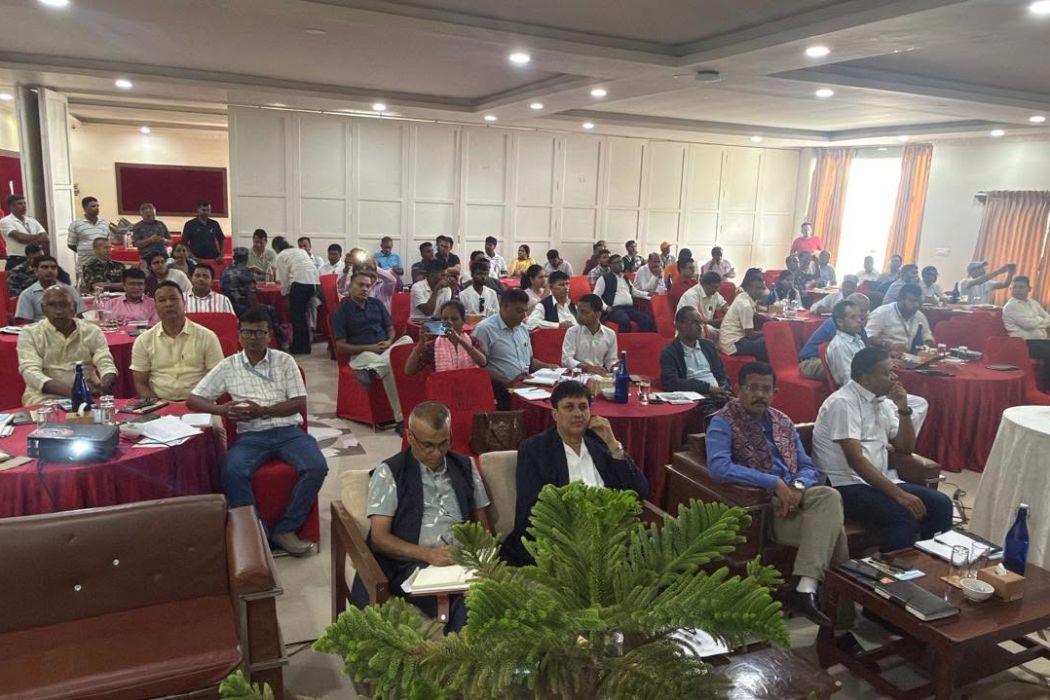
Madhesh Province Forms Provincial Platform for Disaster Risk Reduction
The Provincial Platform for Disaster Risk Reduction (PPDRR) was formally established in Madhesh Province through a one-day multi-stakeholder interaction programme held in Dhanusha District.
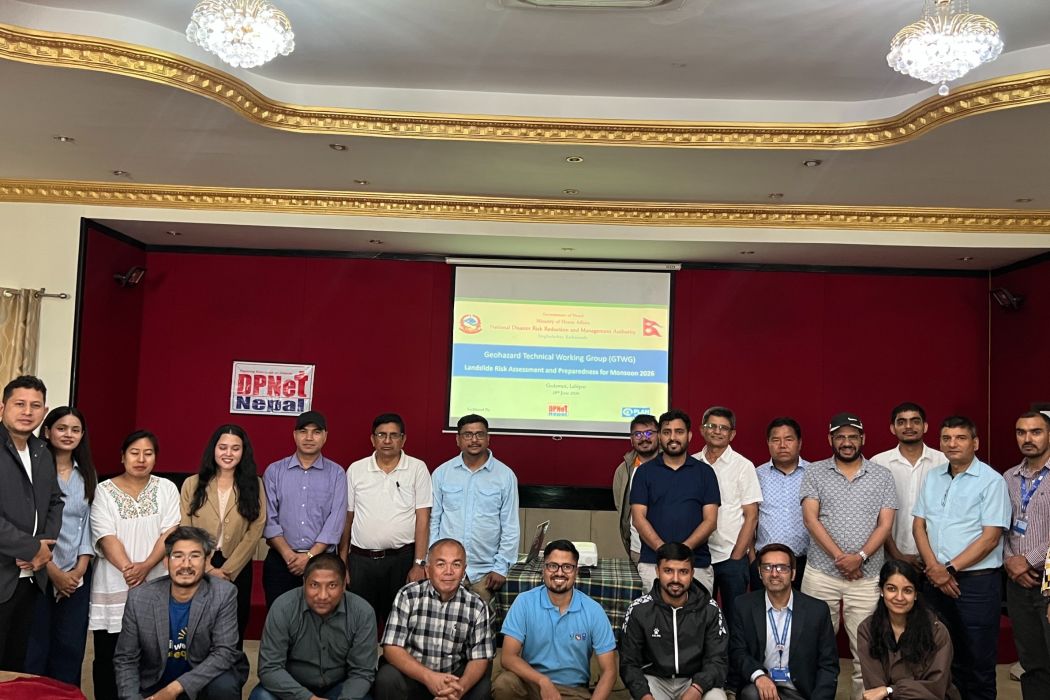
Geohazard Working Group Identifies Priority Actions for Monsoon Preparedness
The National Disaster Risk Reduction and Management Authority (NDRRMA), in collaboration with Disaster Preparedness Network Nepal (DPNet Nepal) and Plan International, organized a Geohazard Technical Working Group meeting on landslide risk assessment, community-based monitoring, and preparedness for Monsoon 2026 in Godawari, Lalitpur.
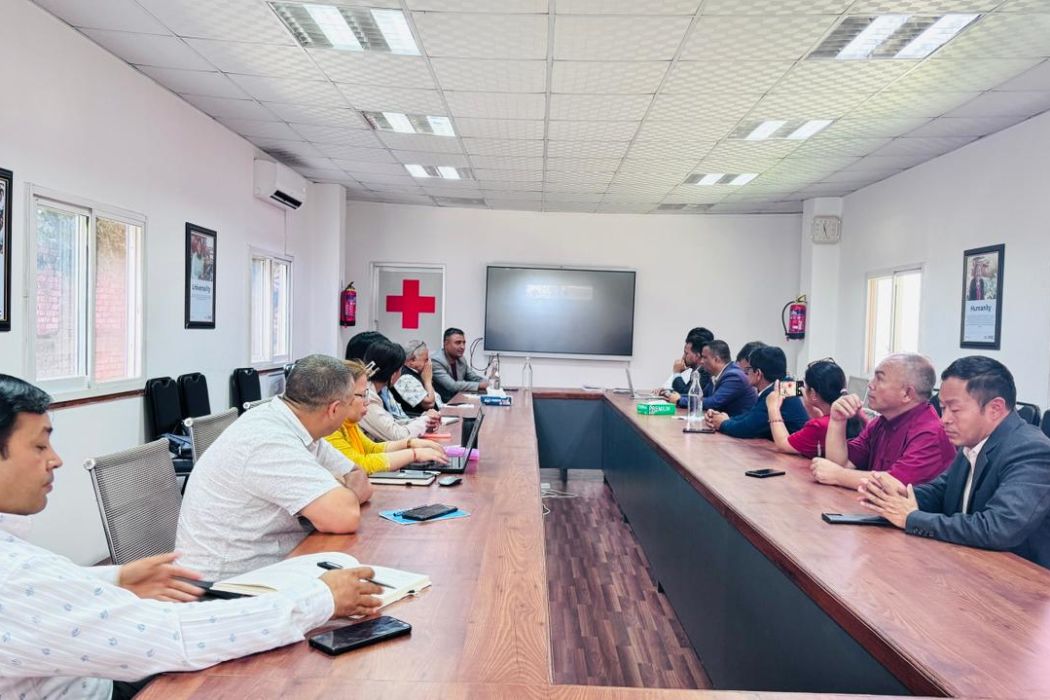
DPNet Nepal and NRCS Discuss Monsoon Preparedness and Future Collaboration
A joint meeting between the Disaster Preparedness Network Nepal (DPNet Nepal), its advisors and Executive Committee members, and the leadership team of the Nepal Red Cross Society (NRCS) was held at the NRCS Building in Kathmandu.
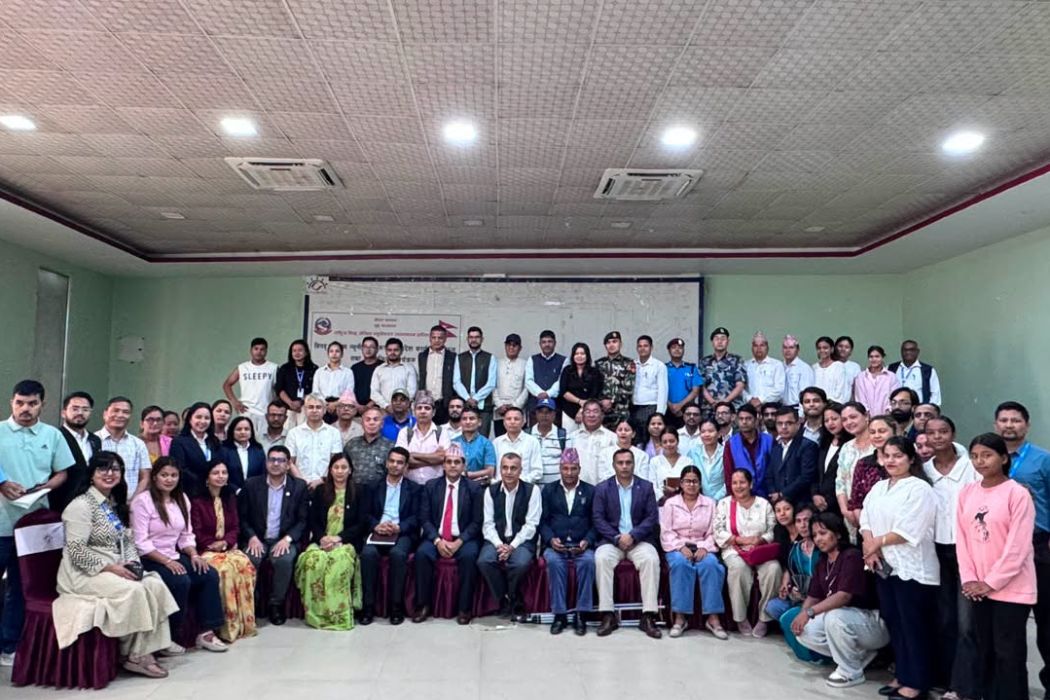
Karnali Province Establishes Provincial Platform for Disaster Risk Reduction
The Provincial Platform for Disaster Risk Reduction Platform in Karnali Province has been established to strengthen coordination, collaboration and partnership among government agencies, non-governmental organisations and other stakeholders working in disaster risk reduction and management across the province.
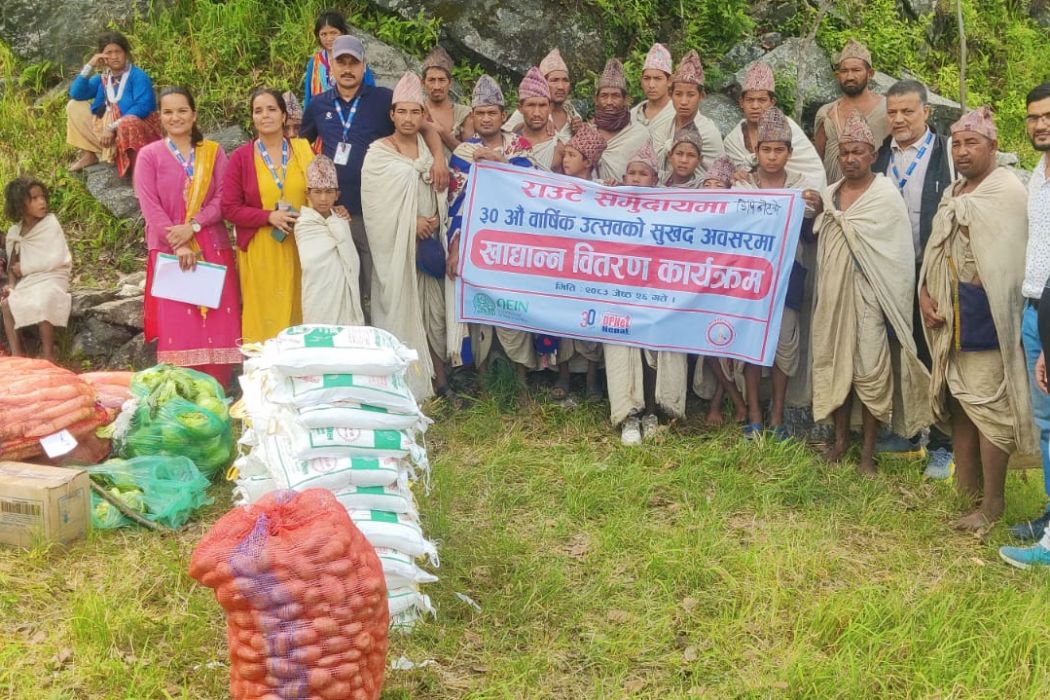
DPNet Nepal Marks 30th Anniversary with Food Assistance to the Raute Community
Disaster Preparedness Network Nepal (DPNet Nepal), Karnali Province, provided food and essential supplies to the endangered Raute community as part of activities commemorating DPNet Nepal’s 30th anniversary.
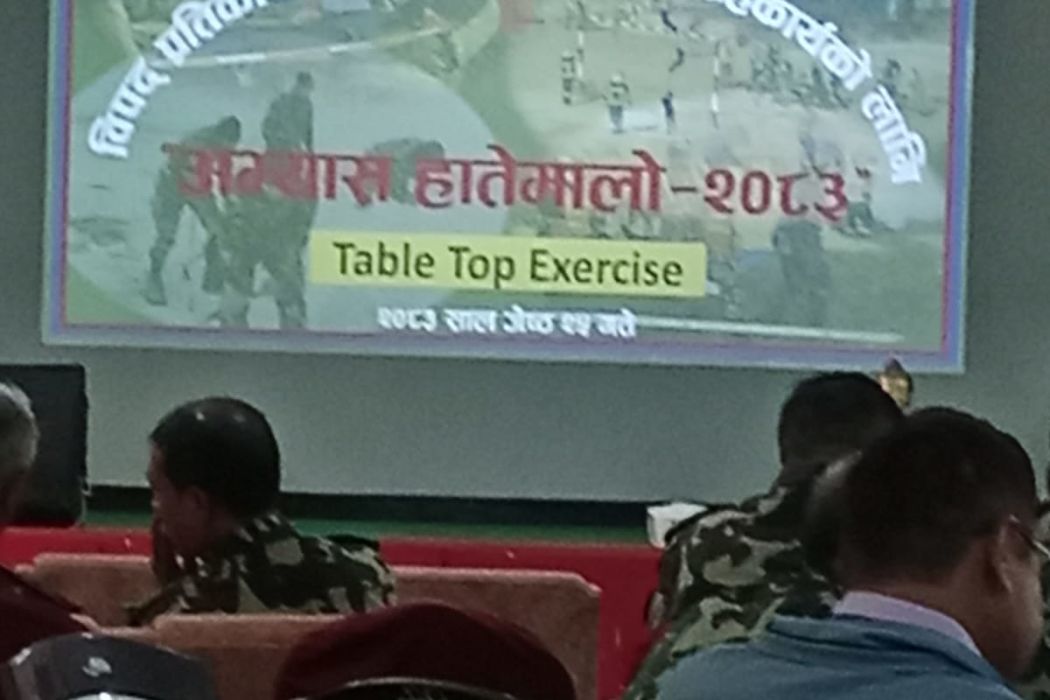
DPNet Gandaki Province Celebrates DPNet Day with Monsoon Preparedness Initiatives
The Disaster Preparedness Network Nepal (DPNet Nepal), Gandaki Province, marked DPNET Establishment Day by organizing and supporting a series of activities focused on strengthening monsoon preparedness, stakeholder coordination, and disaster-response capacity in the province.