Disaster Preparedness Network-Nepal (DPNet), established in 1996, stands as a key national umbrella organization dedicated to enhancing disaster management in Nepal through a unified approach involving national and international agencies. The core focus of DPNet is on fostering coordination, collaboration, learning, and sharing of experiences in strengthening disaster management practices. The organization plays a crucial role in knowledge management, capacity building, policy advocacy, and in facilitating networking among government and relevant stakeholders.
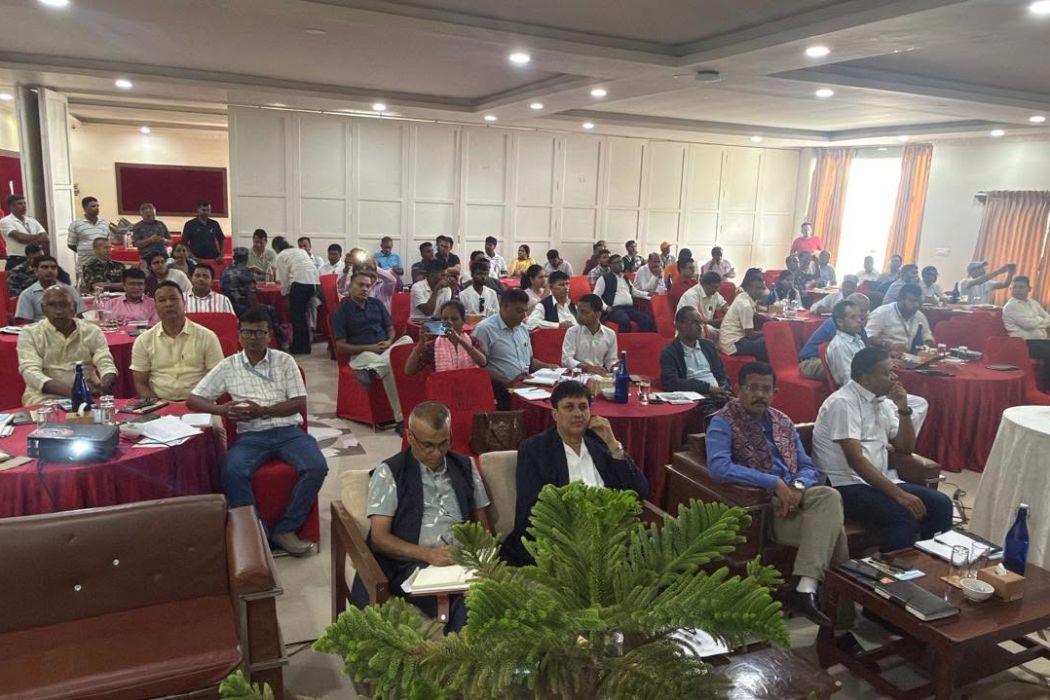
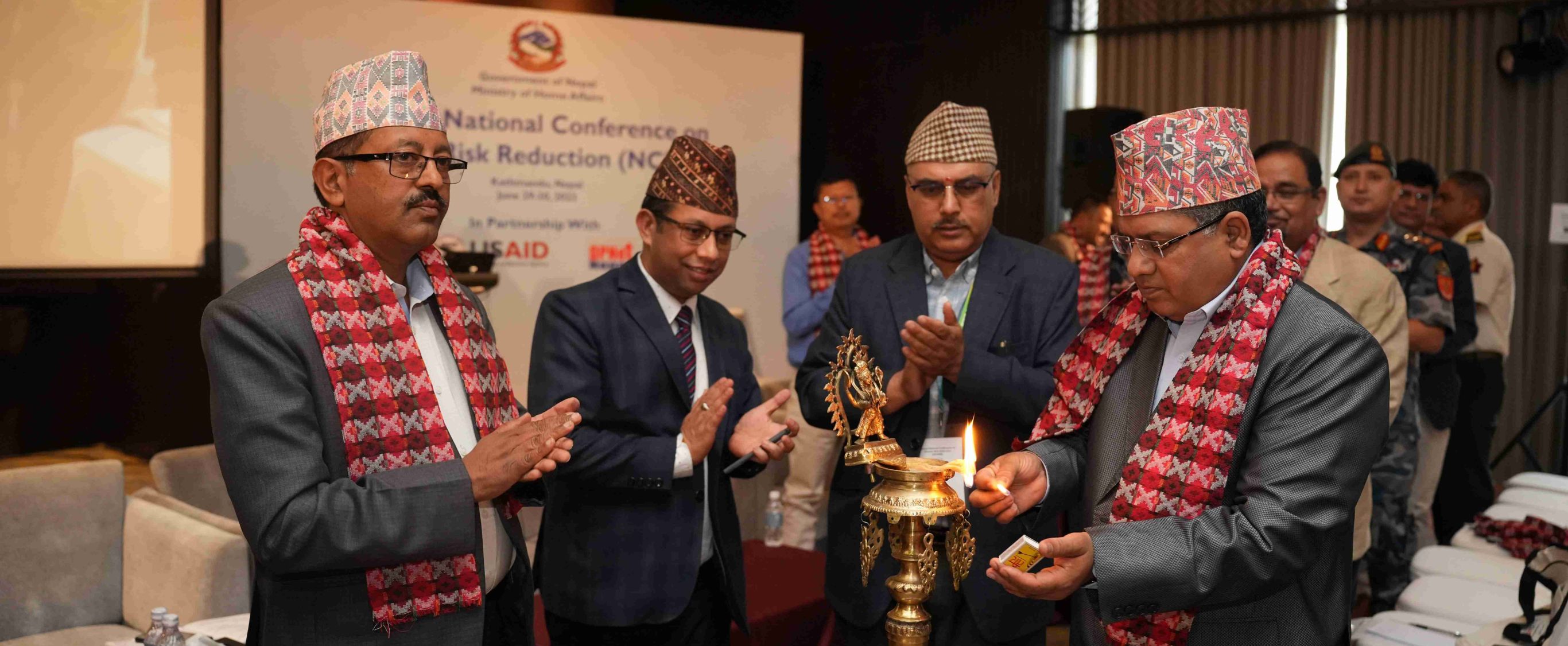
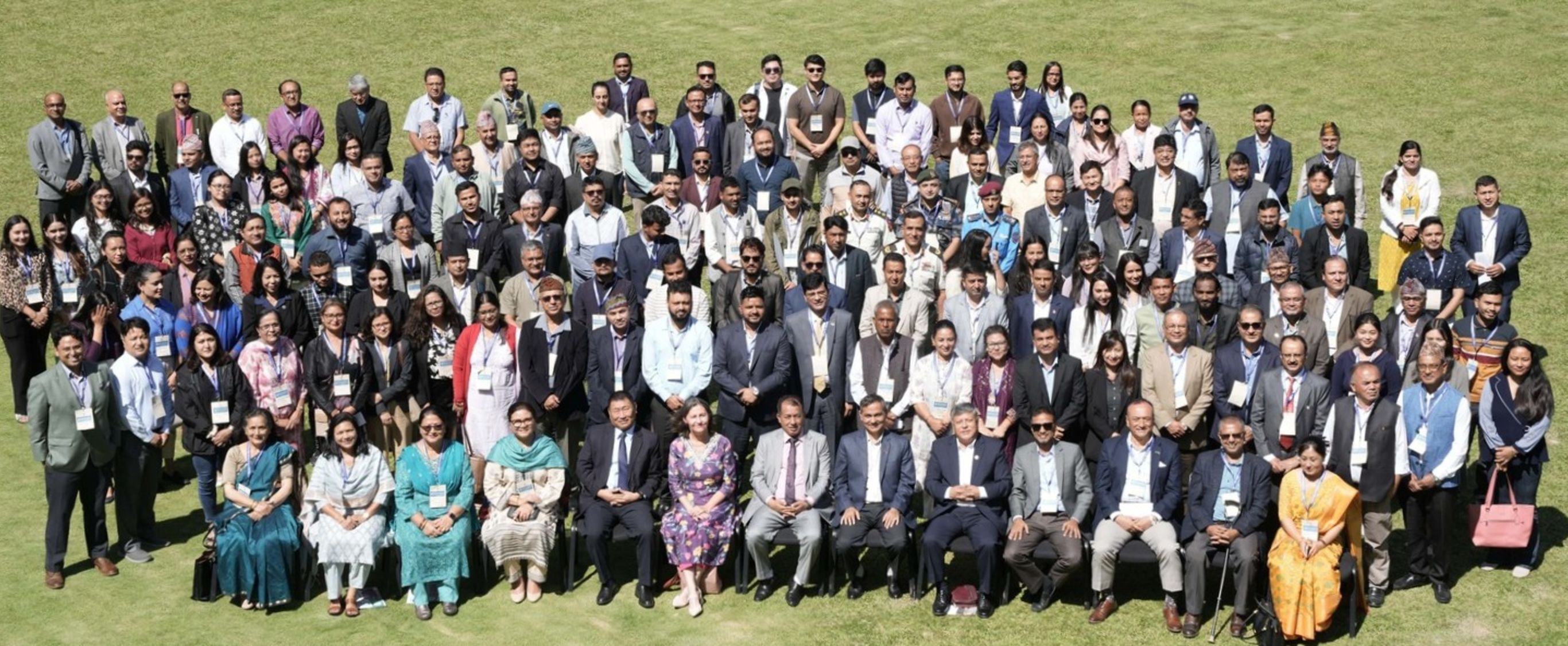
Kathmandu, 14 October 2025, The National Disaster Risk Reduction and Management Authority (NDRRMA) successfully organized the 4th National Conference on Disaster Risk Reduction (NCDRR 2025) on 13–14 October 2025 at ICIMOD, Kathmandu, in collaboration with the National Platform for Disaster Risk Reduction (NPDRR), DPNet Nepal, and ICIMOD.
Held under the global theme “Fund Resilience, Not Disasters,” the conference was organized to mark the International Day for Disaster Risk Reduction (IDDRR) and served as a national platform for dialogue, learning, and collaboration on strengthening Nepal’s disaster and climate resilience.
The two-day conference brought together government representatives, national and international experts, development partners, civil society, academia, and the private sector to exchange experiences, innovations, and policy perspectives on disaster risk reduction (DRR) and climate adaptation.
Key discussions throughout the conference emphasized:
The opening ceremony was graced by Hon. Home Minister Mr. Om Prakash Aryal, who underscored the importance of proactive investment in disaster preparedness and risk-informed development. The closing ceremony was presided over by Hon. Minister Mr. Kulman Ghising, Minister for Energy, Water Resources and Irrigation; Physical Infrastructure and Transport; and Urban Development, who highlighted the need for collective action and sustained investment to reduce disaster losses.
Over the course of the conference, participants engaged in 7 technical sessions and 24 ignite-stage presentations, with insights shared by 61 presenters and panelists. The event witnessed the participation of more than 250 delegates from across the country and beyond.
The conference reaffirmed Nepal’s commitment to advancing the Sendai Framework for Disaster Risk Reduction, strengthening anticipatory action, and fostering inclusive, technology-enabled, and well-financed pathways toward a more resilient future.
Bangkok, December 10 2025, DPNet participated in the Annual General Meeting (AGM) of the Asia Disaster Reduction and Response Network (ADRRN), held in Bangkok alongside the Regional Humanitarian Partnership Week (RHPW 2025). The AGM served as a key annual platform for ADRRN members to review organizational strategy, plan disaster resilience initiatives, and elect leadership.
The 2025 AGM brought together humanitarian actors from across the Asia-Pacific region to share knowledge, strengthen partnerships, and advance collective humanitarian efforts. Discussions this year focused on critical themes such as localization of aid, building community resilience, and implementing the Kathmandu Covenant—a charter designed to empower local leaders and transform humanitarian assistance into an act of solidarity rather than charity.
DPNet’s participation highlighted its ongoing commitment to promoting local leadership, enhancing coordination, and contributing to regional strategies that make disaster response more effective, accountable, and sustainable. The AGM reaffirmed the importance of collaboration among civil society organizations and local actors to address the growing challenges posed by climate shocks, resource constraints, and complex emergencies in the region.



As part of the broader RHPW 2025 program, the ADRRN AGM emphasized actionable strategies for localized humanitarian action, providing members with opportunities to share experiences, explore innovative approaches, and strengthen networks across Asia-Pacific communities.
Bangkok, December 10, 2025 - The Asian Disaster Reduction and Response Network (ADRRN), Community World Service Asia (CWSA), the International Council of Voluntary Agencies (ICVA), and the United Nations Office for the Coordination of Humanitarian Affairs (UNOCHA) co-organised this year’s RHPW under the theme Beyond Emergencies: Reframing Humanitarianism for a Changing World. The event brought together 517 aid practitioners, from 279 organisations and 38 countries, representing the civil society, governments, UN agencies, private sector partners, academics, and crisis-affected community leaders from across Asia and the Pacific.
DPNet participated in the Regional Humanitarian Partnership Week (RHPW) Asia Pacific 2025, held from December 8–10, under the theme “Reframing Humanitarianism for a Changing World.” The event brought together members of the Asian Disaster Reduction and Response Network (ADRRN) and partners from across the Asia-Pacific region to discuss innovative approaches to humanitarian action in a rapidly changing world.
Amid a year marked by shrinking resources, climate shocks, and overlapping crises, RHPW 2025 focused on what the humanitarian sector can do differently. Key discussions addressed shifting power and resources to local actors, connecting climate and humanitarian responses, rethinking financing models, and using data and technology responsibly to make aid more effective and accountable.
DPNet’s presentation, “The Kathmandu Covenant in Action: Localisation for Solidarity and Agency,” highlighted the growing role of local leaders in transforming humanitarian aid. The session unveiled the Kathmandu Covenant, a bold charter forged by Asia-Pacific civil society leaders in Kathmandu to drive systemic change.
The session explored whether the future of aid is truly local, emphasizing strategies for reclaiming agency and turning humanitarian assistance into acts of solidarity rather than charity. DPNet Nepal shared insights on strengthening national coordination and accountability, highlighting the importance of South-to-South cooperation in empowering local communities to lead and shape humanitarian responses.
Attendees were invited to actively engage in the movement, which promotes unified action and collaboration among local actors across the region. The workshop demonstrated that localized leadership, accountability, and solidarity are essential for creating a more resilient and equitable humanitarian sector.
RHPW 2025 underscored the need for innovative approaches, partnerships, and local empowerment as the humanitarian sector navigates complex crises, reinforcing that the future of aid lies in the hands of local communities and leaders.
Please subscribe to our Newsletter to stay connected and updated